
Best Chess Openings for White: Choose a Style That Fits You
Playing White means you move first, and that first move sets the tone for the entire game. This guide gathers the best White openings and groups them by style, from fiery gambits to rock-solid systems, so you can find the one that matches how you like to play. Every recommendation links to our detailed guide for that opening.
Analyze Your Openings FreeWhy Your Choice of White Opening Matters
As White you enjoy the first move, and with it a small but permanent head start in development and central control. The opening you choose is how you cash in that advantage. A sharp gambit turns it into immediate attacking chances, a classical setup converts it into steady pressure, and a system-based opening banks it as a durable, low-risk edge you can nurse deep into the game.
There is no universally correct answer, only the answer that fits you. The most common mistake is chasing whatever opening is fashionable rather than picking one whose middlegames you actually enjoy. If you love calculating tactics, a slow maneuvering opening will bore you into mistakes. If you prefer quiet strategic buildups, a wild gambit will feel like walking a tightrope. Match the opening to your temperament and study will feel like a pleasure instead of a chore.
To make that choice easier, we have grouped the best White openings into three families: aggressive and attacking, classical, and positional or system-based. Read through each family below, notice which descriptions make you want to play, and then follow the link to the full guide for the opening that speaks to you.
Three Styles of White Opening
Before diving into specific openings, it helps to understand the three broad approaches. Most White openings fall into one of these camps, and knowing which one appeals to you will narrow your search immediately.
- 1
Aggressive & Attacking
These openings sacrifice material or safety for speed, open lines, and an early initiative. They reward calculation and bold play and punish passive defense. If you would rather attack the enemy king than grind out a small edge, start here.
- 2
Classical
The classical openings occupy the center with pawns and develop pieces to their most natural squares. They balance attack and structure, teaching the fundamentals of sound chess. These are the openings most masters recommend to serious improvers.
- 3
Positional & System-Based
System openings follow a repeatable setup regardless of what Black does, prizing structure, safety, and long-term pressure over early fireworks. They are low maintenance to learn and let you spend your energy on middlegame understanding.
Aggressive & Attacking Openings
King's Gambit (1.e4 e5 2.f4)
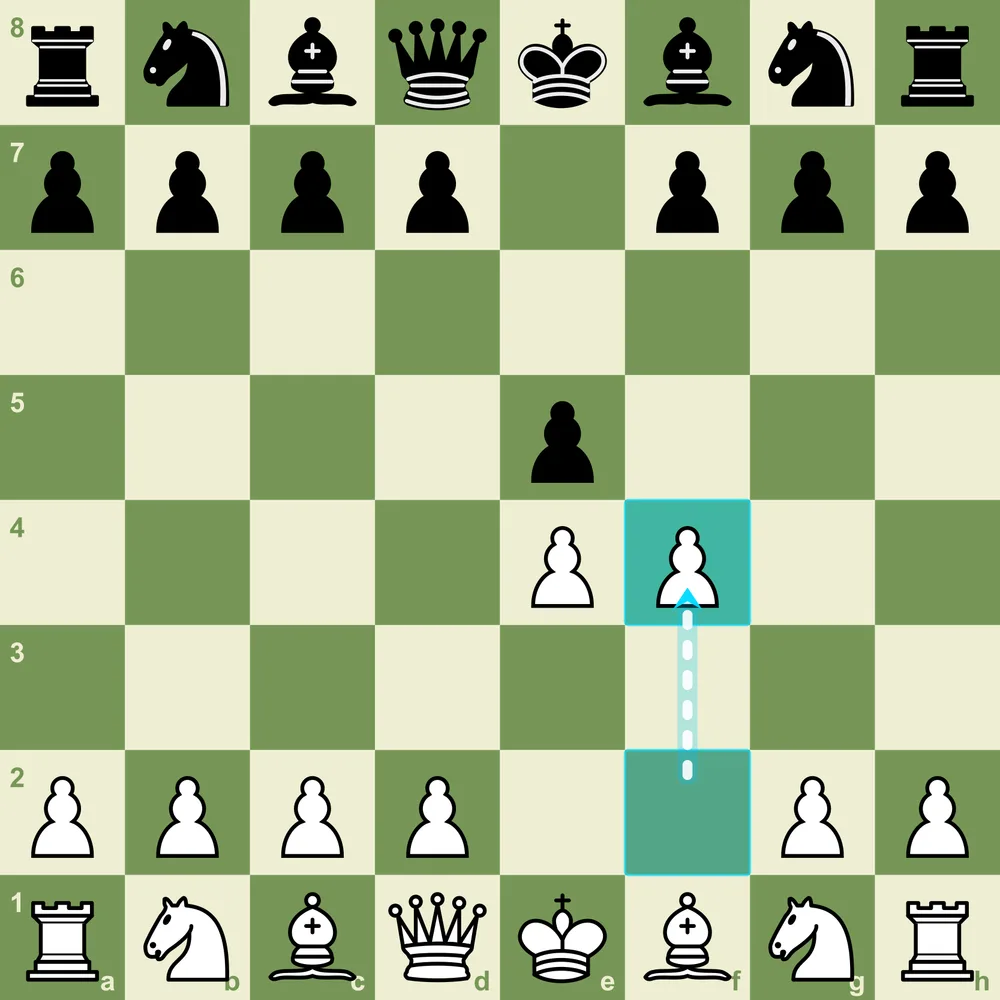
The King's Gambit is the purest expression of attacking chess. On the second move White offers a pawn to rip open the f-file, seize the center, and throw pieces at Black's king before development is complete. It is a romantic-era weapon that still wins games today, and playing it forces you to sharpen your calculation and your feel for the initiative.
The trade-off is real: the f4 push slightly weakens White's own king, so precise, energetic play is required. If you accept that risk in exchange for the thrill of a full-blooded attack, the King's Gambit will teach you more about the initiative than any other opening on this list.
Scotch Game (1.e4 e5 2.Nf3 Nc6 3.d4)
The Scotch Game strikes in the center immediately with 3.d4, trading White's d-pawn to open the position and get pieces into action fast. It leads to lively, open play where White's lead in development can create early threats, yet it requires far less memorization than the heavily analyzed Ruy Lopez. That combination of activity and simplicity makes it a superb attacking choice.
Because the center opens so early, both sides get their pieces out quickly and the game takes on a direct, tactical character. If you enjoy open positions but want a more structured foundation than a gambit provides, the Scotch is the ideal middle ground.
Read our full Scotch Game guideVienna Game (1.e4 e5 2.Nc3)
The Vienna Game develops the knight to c3 and keeps the door open for an aggressive f2-f4 push a move later, giving you a delayed King's Gambit feel with more flexibility and less risk. It is an underrated way to steer 1.e4 e5 into attacking waters while sidestepping the reams of theory in the main lines Black usually prepares for.
The Vienna suits players who want to attack but prefer to keep their king a little safer than the King's Gambit allows. You can play it quietly or explosively depending on how Black responds, which makes it a versatile and surprisingly practical attacking weapon.
Read our full Vienna Game guideClassical Openings
Italian Game (1.e4 e5 2.Nf3 Nc6 3.Bc4)
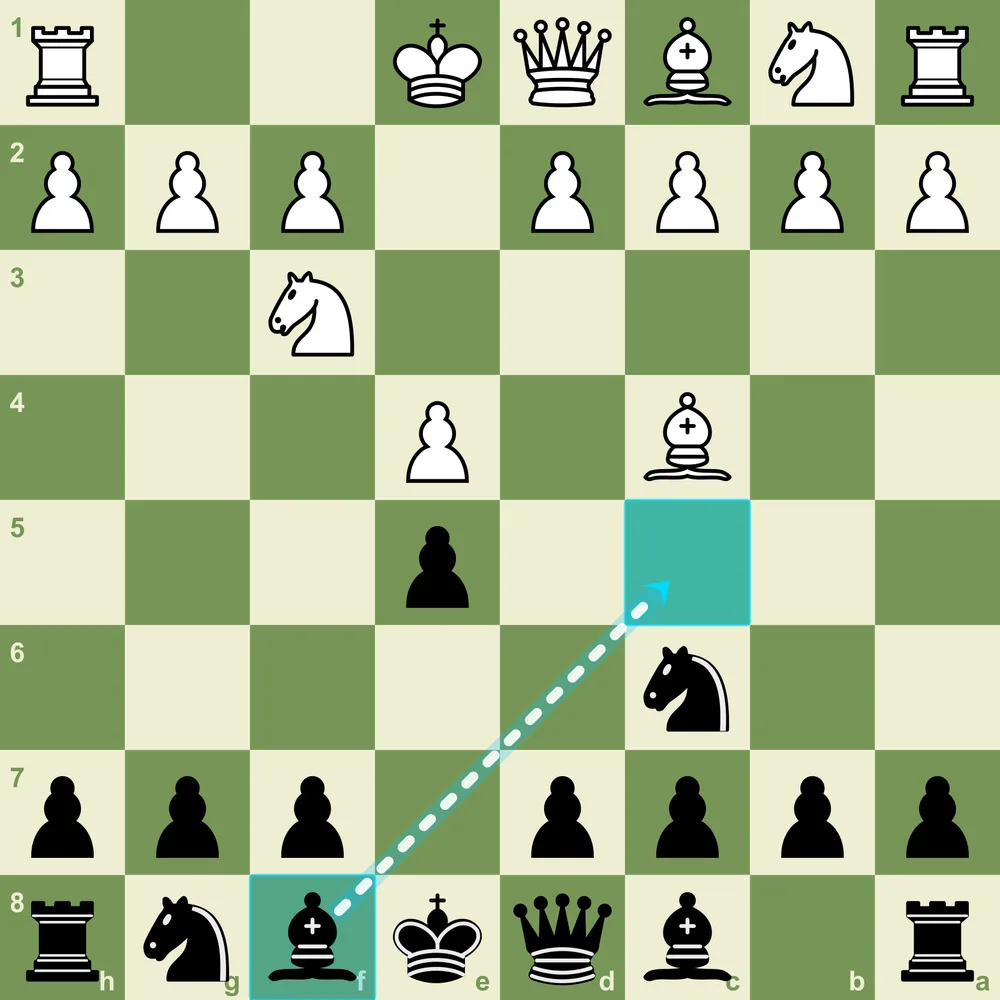
The Italian Game is the classical opening every White player should know. Each move follows a clear principle: claim the center with 1.e4, develop the knight to its best square, and post the bishop on c4 where it eyes the sensitive f7 square. The result is fast, natural development and a flexible position that can be played quietly or turned into a sharp attack depending on your mood.
Its greatest strength is how well it teaches sound chess. You are never far from a sensible plan, the pawn structures are easy to understand, and the opening scales all the way up to grandmaster play. If you want one classical opening to build a lifelong repertoire around, the Italian is the place to start.
Ruy Lopez (1.e4 e5 2.Nf3 Nc6 3.Bb5)
The Ruy Lopez, or Spanish Opening, is the most respected of all classical openings. Instead of aiming the bishop at f7, White pins pressure on the knight defending Black's e5 pawn, building slow but relentless positional pressure. It has been the battleground of world champions for well over a century precisely because it produces rich, strategic middlegames where deep understanding pays off.
The Ruy Lopez does carry more theory than the Italian, so it rewards study. But even a working knowledge of its main ideas gives you a supremely flexible weapon that can grind opponents down or open up for an attack. It is the natural next step for any player who has outgrown the Italian and wants to deepen their classical play.
Read our full Ruy Lopez guidePositional & System-Based Openings
Queen's Gambit (1.d4 d5 2.c4)
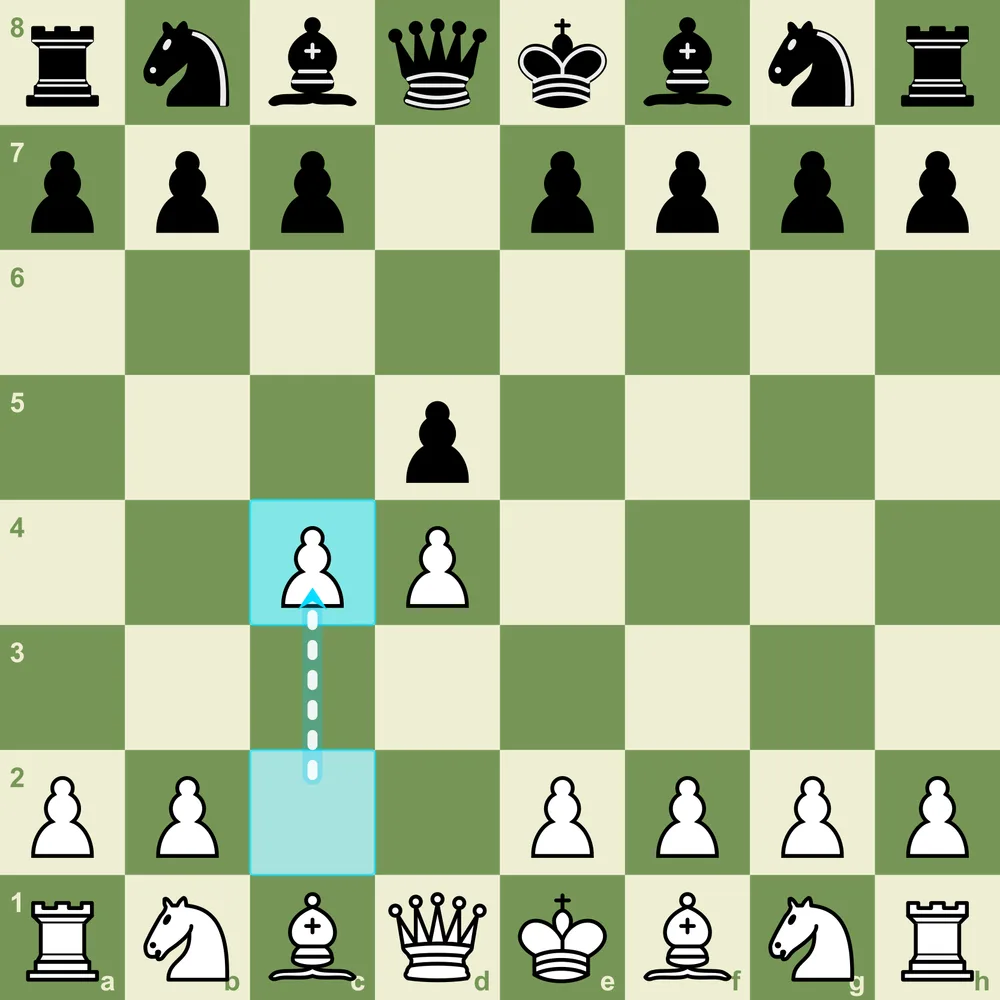
Despite its name, the Queen's Gambit is a deeply positional opening. White offers the c-pawn not as a true sacrifice but to lure Black's d5 pawn away from the center, gaining space and a lasting structural edge. It is one of the most reliable and principled ways to play 1.d4, and it forms the backbone of countless world-championship repertoires.
The resulting positions are strategically rich but rarely chaotic, making the Queen's Gambit ideal for players who like to build up pressure methodically. You learn about pawn structure, minority attacks, and piece placement, skills that transfer to every phase of the game.
London System (1.d4 followed by Bf4, e3, Nf3)
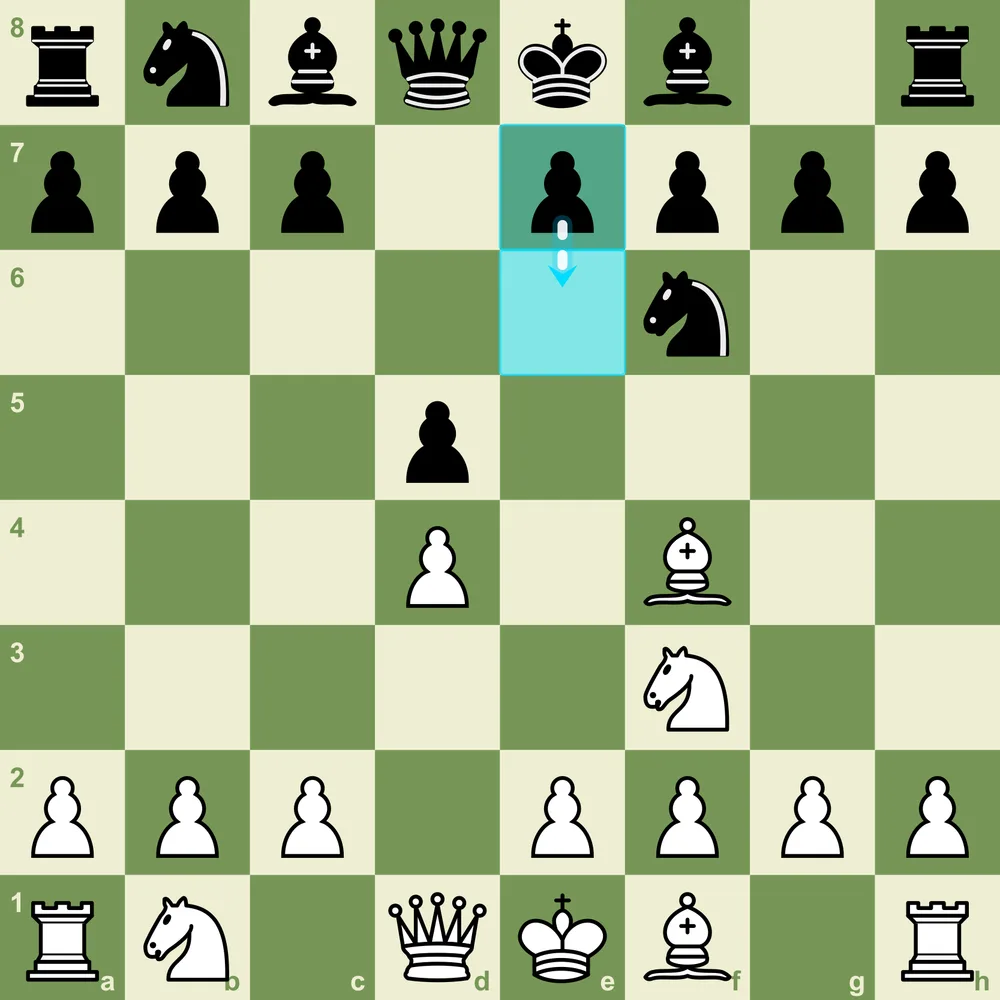
The London System is the ultimate low-maintenance opening. You develop the same solid setup, bishop to f4, pawns on d4 and e3, knights to f3 and d2, and short castling, almost regardless of what Black plays. That consistency means you can learn it once and rely on it in every game, freeing your study time for tactics and endgames.
The London does not chase an early knockout. Instead it hands you a sturdy, well-coordinated position with no weaknesses, from which you can outplay opponents in the middlegame. For busy players and those who value reliability over sharp theory, it is hard to beat.
Catalan Opening (1.d4 Nf6 2.c4 e6 3.g3)
The Catalan blends the space-gaining ideas of the Queen's Gambit with a kingside fianchetto, planting the bishop on g2 where it rakes the long diagonal toward Black's queenside. It offers White a lasting positional squeeze with very little risk, which is why elite players reach for it when they want to press for a win from a safe position.
The Catalan asks for patience: the pressure builds slowly, and the payoff often comes in a superior endgame. If you enjoy the Queen's Gambit but want an even more strategic, bishop-driven plan, the Catalan is a natural upgrade.
Read our full Catalan Opening guideEnglish Opening (1.c4)
The English Opening starts with 1.c4, staking a claim on the center from the flank rather than occupying it head-on. It is enormously flexible: White can steer the game toward reversed Sicilian structures, quiet symmetrical positions, or big-center plans depending on Black's replies. That adaptability makes it a favorite of strategically minded players who like to outmaneuver rather than out-calculate.
Because it delays committing the central pawns, the English lets you react to what Black does instead of following a fixed script. It pairs beautifully with the Reti and other flank ideas, giving you a whole family of related setups to grow into.
Read our full English Opening guideRéti Opening (1.Nf3 followed by c4 and g3)
The Réti is the most flexible flank opening of all. By starting with 1.Nf3 and fianchettoing the bishop, White invites Black to occupy the center, then undermines it from the wings with c4 and pressure along the long diagonal. It is hypermodern chess in its purest form and a superb weapon against opponents who expect a conventional pawn battle.
The Réti's move order is famously slippery, allowing White to transpose into the English, the Catalan, or independent lines as it suits. For players who value understanding and flexibility over memorized theory, it is one of the most rewarding openings to learn.
Read our full Réti Opening guideHow to Choose the Right Opening for You
With so many strong options, the goal is not to play them all but to pick one and learn it well. Use these guidelines to make a confident choice and then commit to it.
Match the Opening to Your Style
If you love attacking, start with the King's Gambit, Scotch, or Vienna. If you want balanced, principled chess, the Italian Game or Ruy Lopez are ideal. If you prefer slow strategic pressure with little to memorize, the London System, Queen's Gambit, Catalan, English, or Réti will feel like home.
Go Deep, Not Wide
One opening you understand thoroughly will win you far more games than five you know superficially. Learn the typical plans, the standard pawn breaks, and the common middlegame ideas of your chosen opening before you even think about adding a second.
Learn the Ideas, Not Just the Moves
Memorizing a move order only helps until your opponent deviates. Understanding why each move is played, what squares matter, and where your pieces belong lets you find good moves on your own. Every full opening guide we link to explains the ideas, not just the theory.
Master Your White Opening
ChessHelper analyzes your games in real time and shows you the best moves in your chosen opening. Turn White's first-move advantage into wins.
Get Started FreeJoin 10,000+ players sharpening their opening play
White Openings FAQ
There is no single best opening for White. The strongest choice is the one that matches your style and that you understand well. If you like sharp attacks, an open 1.e4 opening such as the Italian Game or Scotch Game suits you. If you prefer slow strategic play, a system-based opening like the London System or the Queen's Gambit is ideal. All of the openings on this page are sound at every level, so pick the one whose plans feel natural and study it in depth rather than jumping between many.
Both first moves are excellent. 1.e4 tends to produce open, tactical positions where piece activity and quick development decide the game, which makes it a great teacher of tactics. 1.d4 usually leads to slower, more strategic play built around pawn structure and long-term plans. Many players begin with 1.e4 to sharpen their tactics, then add 1.d4 or a flank opening like the English later. Choosing between them is really a choice about which type of middlegame you enjoy.
One main first move is enough to start. Pick either 1.e4 or 1.d4, learn one opening system against Black's most common replies, and get comfortable with the resulting middlegame plans before adding anything else. A focused repertoire built around a single opening will win you more games than a shallow knowledge of ten. As you improve and face more prepared opponents, you can broaden your repertoire with a second first move or additional variations.