
Best Chess Openings for Black: Defenses That Fit Your Style
Playing Black does not mean playing passively. The best defenses give you a sound position and a clear plan against whatever White throws at you. Here are our favorite openings for Black against both 1.e4 and 1.d4, organized by style, with links to our full guide for each one.
Analyze Your Openings FreeWhy Your Choice of Defense Matters
White moves first, which means Black starts every game reacting rather than dictating. A good defense turns that into an advantage: you get to decide the character of the game. Meet 1.e4 with the Sicilian and you steer play into sharp, unbalanced positions; answer it with the Caro-Kann and you head for calm, structurally sound waters instead. Your opening choice is really a choice about the kind of game you want to play.
Because White will usually open with either 1.e4 or 1.d4, the practical goal is to build a small, reliable repertoire: one answer to each. That keeps your study focused and means you reach familiar positions again and again, so you learn the recurring plans instead of guessing move by move. The defenses below are grouped by style so you can pick a pair that suits you rather than trying to learn everything at once.
Every opening we recommend is fully sound and played at the highest level, so nothing here is a weapon you will outgrow. Whatever your rating, the right approach is the same: choose defenses that match your temperament, understand the ideas behind them, and let that understanding carry you through the positions you have not memorized.
How to Choose a Defense That Suits You
Before picking a specific opening, it helps to know what kind of player you are. These three broad styles map neatly onto the defenses covered below:
- 1
Solid and Reliable
If you value safety, sound pawn structures, and few weaknesses, look at the Caro-Kann and Petrov against 1.e4, and the Slav and Queen's Indian against 1.d4. These defenses rarely blow up early and reward patient, positional play.
- 2
Aggressive and Unbalanced
If you play to win with Black and enjoy complications, the Sicilian against 1.e4 and the King's Indian, Benoni, and Dutch against 1.d4 create imbalanced positions full of dynamic chances for both sides.
- 3
Flexible and Hypermodern
If you like inviting White to build a big center and then striking at it, explore the Pirc and Alekhine against 1.e4 and the Grunfeld and Nimzo-Indian against 1.d4. These openings trade early space for piece activity and counterattacking chances.
Best Defenses Against 1.e4
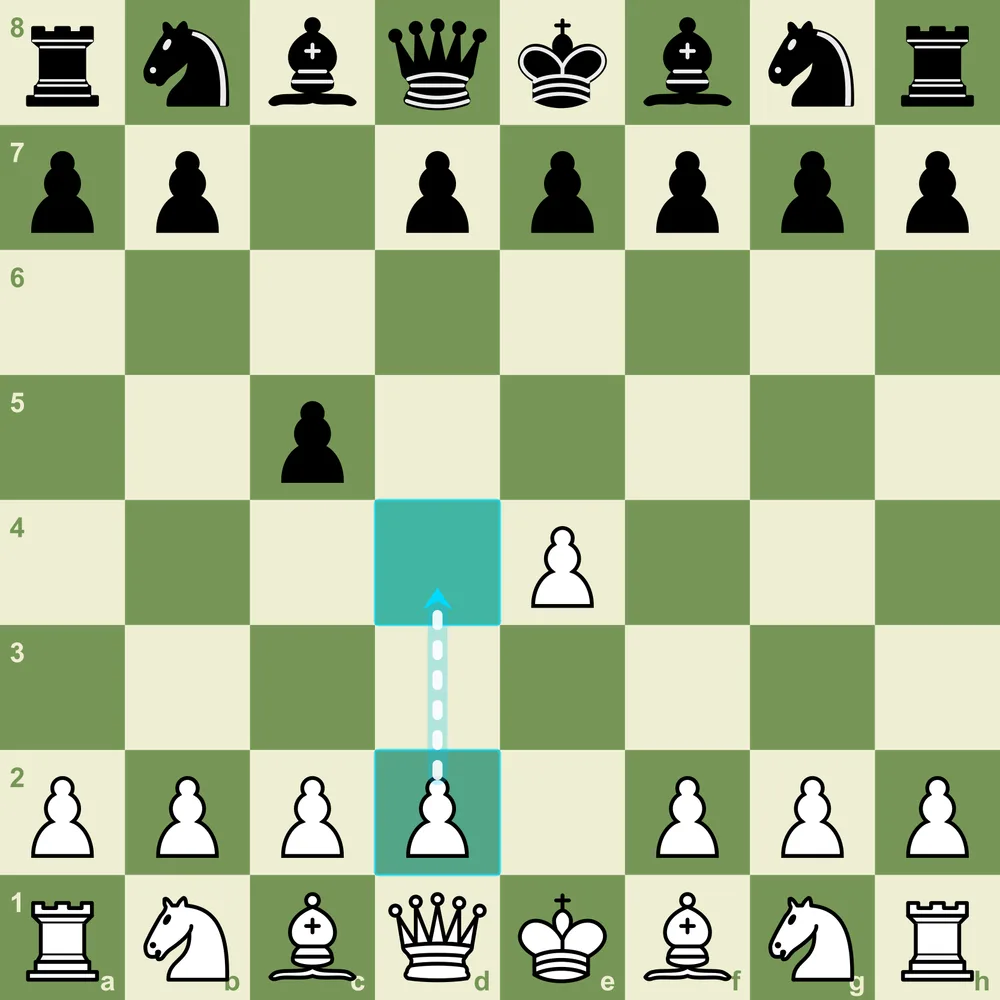
Sicilian Defense (1.e4 c5)
The Sicilian is the most popular and highest-scoring answer to 1.e4 because it fights for the win from move one. By meeting a king's pawn with a queen's-bishop pawn, Black creates an asymmetrical position where both sides attack on opposite wings, and it spans a huge family of systems from the sharp Najdorf to the accessible Accelerated Dragon.
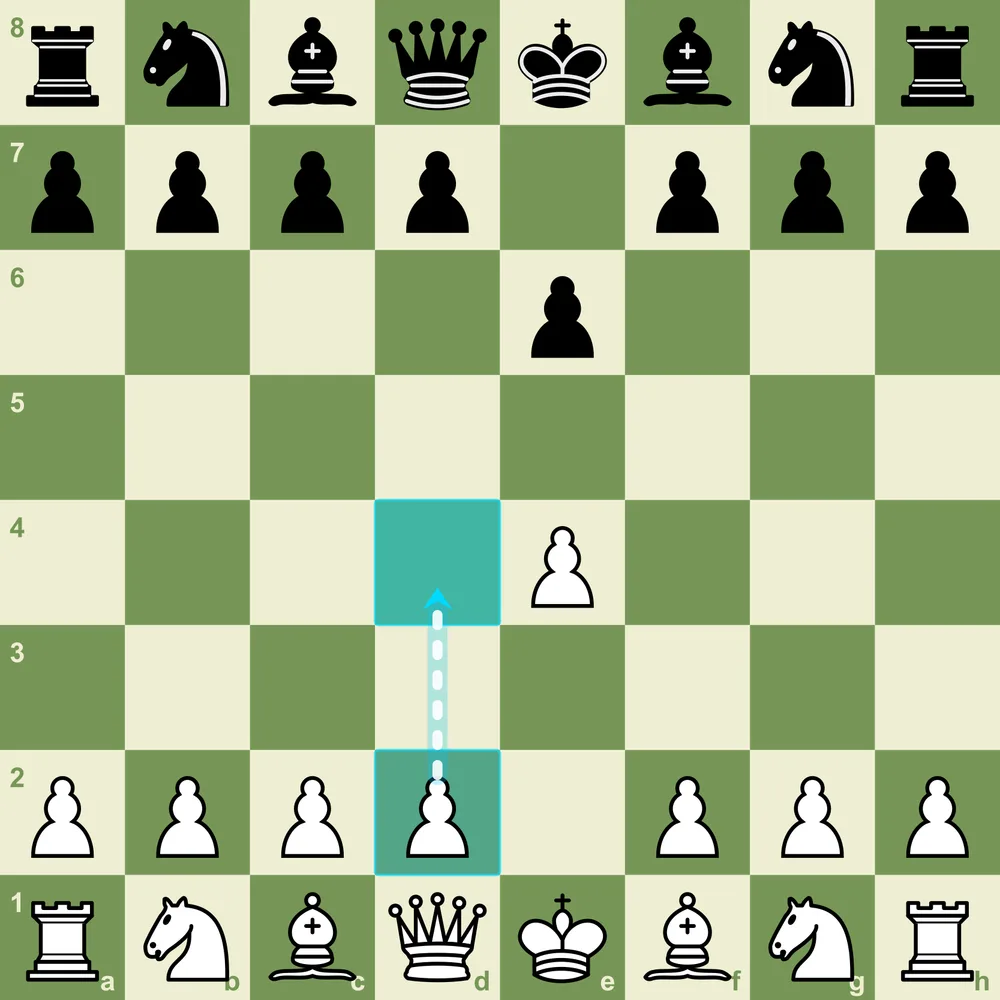
French Defense (1.e4 e6)
The French is a solid, counterattacking defense in which Black challenges the center with an early d7-d5 and builds a resilient pawn chain. It leads to rich strategic battles where Black undermines White's center and plays for the c5 and f6 breaks, at the cost of a slightly passive light-squared bishop.
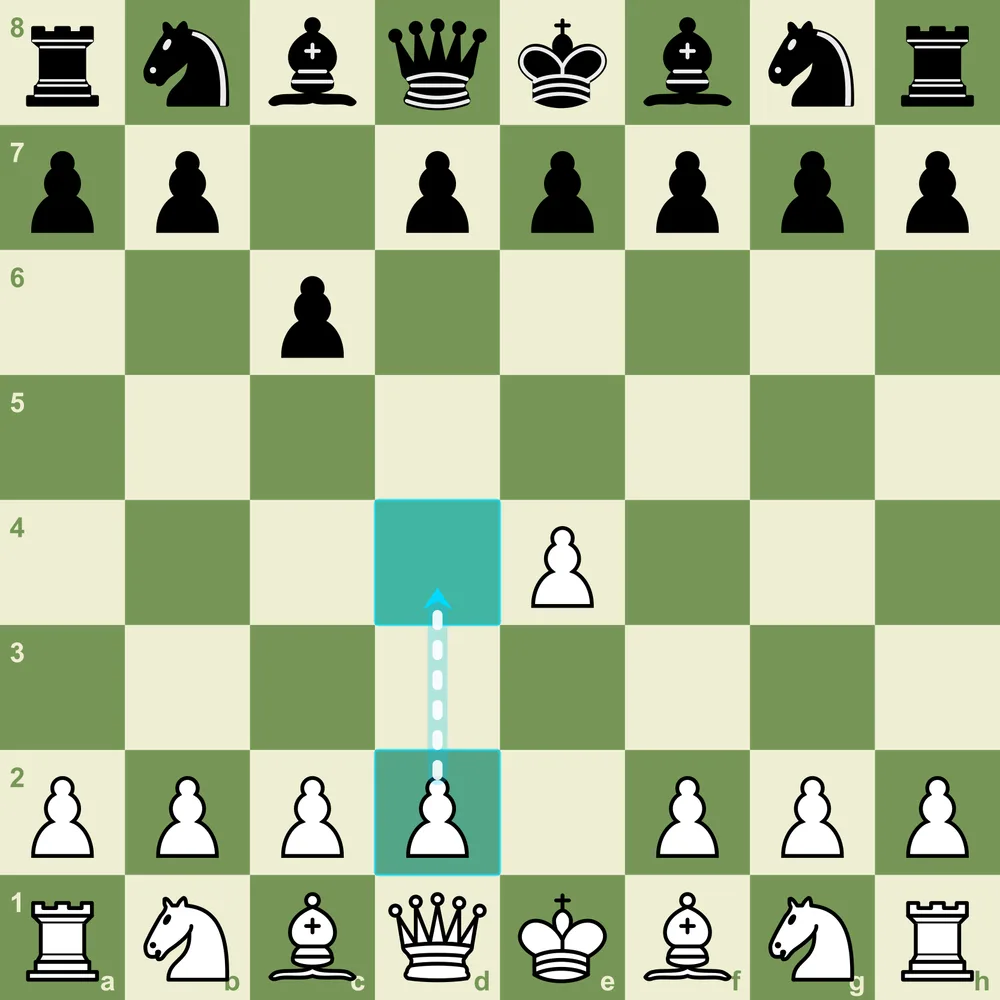
Caro-Kann Defense (1.e4 c6)
The Caro-Kann is the go-to choice for players who want to challenge White's center with d7-d5 while keeping a sound structure. Unlike the French, it lets Black develop the light-squared bishop outside the pawn chain, producing solid positions that are very hard for White to attack.
Scandinavian Defense (1.e4 d5)
The Scandinavian challenges White's center immediately with 1...d5, and after 2.exd5 Qxd5 Black gets a clear, easy-to-learn setup with few forcing lines to memorize. It is a practical, low-maintenance weapon: the plans repeat from game to game, which makes it especially appealing if you want a reliable answer to 1.e4 without heavy theory.
Read our full Scandinavian Defense guidePirc Defense (1.e4 d6)
The Pirc is a hypermodern defense in which Black allows White a broad pawn center and then attacks it with a fianchettoed bishop on g7 and timely pawn breaks. It leads to flexible, double-edged middlegames and rewards players who are comfortable defending actively before counterattacking.
Read our full Pirc Defense guideAlekhine Defense (1.e4 Nf6)
The Alekhine is the most provocative answer to 1.e4: Black attacks the e4 pawn on move one and invites White to chase the knight with pawns. The idea is to lure White into overextending, then target the advanced pawns with pieces, making it a fine surprise weapon for players who enjoy unconventional, counterattacking chess.
Read our full Alekhine Defense guidePetrov Defense (1.e4 e5 2.Nf3 Nf6)
The Petrov, also called the Russian Defense, is the most solid classical reply to 1.e4: instead of defending the e5 pawn, Black counterattacks e4 with symmetry. It has a rock-solid reputation as an equalizing weapon and is a favorite of players who want to neutralize White's initiative and reach safe, balanced positions.
Read our full Petrov Defense guideBest Defenses Against 1.d4
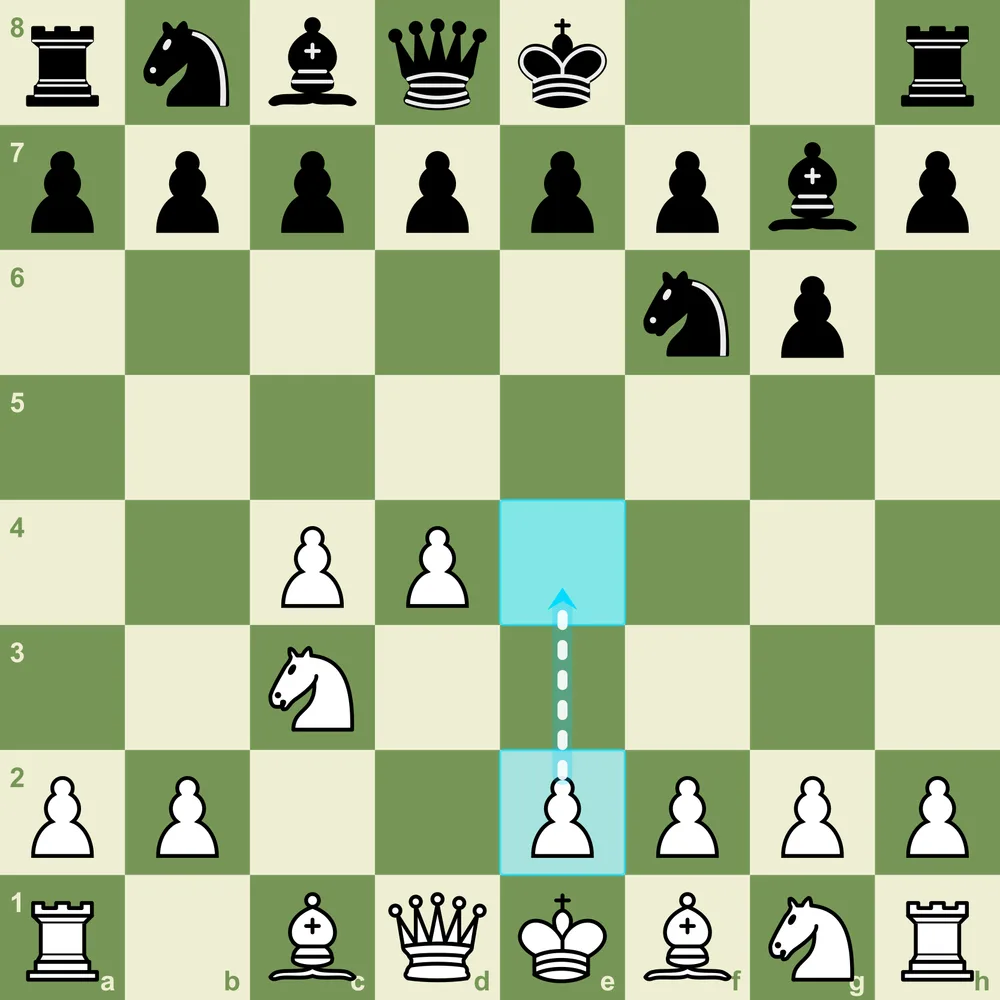
King's Indian Defense (1.d4 Nf6 2.c4 g6)
The King's Indian is the most dynamic way to meet 1.d4: Black hands White a big center, fianchettoes the bishop to g7, and then counterattacks with e7-e5 and a thematic kingside pawn storm. It leads to fighting, imbalanced games and is the ideal choice for players who want to play for the full point with Black.
Nimzo-Indian Defense (1.d4 Nf6 2.c4 e6 3.Nc3 Bb4)
The Nimzo-Indian is one of the most respected defenses in chess, pinning White's knight on c3 and often trading the bishop for it to saddle White with doubled pawns. It blends positional pressure with piece activity and gives Black an excellent, flexible game against 1.d4 and 2.c4.
Read our full Nimzo-Indian Defense guideQueen's Indian Defense (1.d4 Nf6 2.c4 e6 3.Nf3 b6)
The Queen's Indian is the natural partner to the Nimzo-Indian, used when White avoids 3.Nc3 with 3.Nf3. Black fianchettoes the light-squared bishop to b7 to fight for the central light squares, reaching solid, harmonious positions favored by players who like control and long-term maneuvering.
Read our full Queen's Indian Defense guideGrunfeld Defense (1.d4 Nf6 2.c4 g6 3.Nc3 d5)
The Grunfeld is a hypermodern masterpiece in which Black allows White a huge pawn center and then attacks it relentlessly with pieces and the c5 and e5 breaks. It demands precise, concrete play but rewards it with tremendous counterattacking energy, which is why it has long been trusted at world-championship level.
Read our full Grunfeld Defense guideSlav Defense (1.d4 d5 2.c4 c6)
The Slav is one of the soundest answers to the Queen's Gambit, supporting the d5 pawn with c6 rather than e6 so the light-squared bishop stays free. It offers Black a solid, resilient structure with plenty of active possibilities, making it a favorite of players who want reliability without passivity against 1.d4.
Read our full Slav Defense guideDutch Defense (1.d4 f5)
The Dutch is an aggressive, space-grabbing reply to 1.d4 in which Black stakes a claim on the kingside with f5 and plays for an attack. With flexible setups like the Leningrad and Stonewall, it is an excellent fighting weapon for players who want to seize the initiative rather than equalize quietly.
Read our full Dutch Defense guideBenoni Defense (1.d4 Nf6 2.c4 c5)
The Benoni, especially the Modern Benoni, is a sharp, imbalanced defense in which Black gives White a central pawn majority in return for a queenside majority and active piece play. It creates rich, double-edged positions and is a bold choice for players who thrive on complications and are willing to accept risk for winning chances.
Read our full Benoni Defense guideBuilding Your Black Repertoire
You do not need every opening on this page. The strongest, simplest approach is to pick one defense against 1.e4 and one against 1.d4 that share your preferred style, then learn their typical structures deeply. Here is how the pieces fit together:
Pair by Style, Not by Popularity
A solid player might pair the Caro-Kann with the Slav; an aggressive player might pair the Sicilian with the King's Indian; a hypermodern player might pair the Pirc with the Grunfeld. Matching your two defenses means the middlegame plans and pawn structures feel familiar no matter what White opens with.
Learn Plans Before Lines
For every defense you choose, focus first on the recurring pawn breaks, piece placements, and typical middlegame goals. Understanding why the moves are played will get you through unfamiliar positions far more reliably than memorizing long forcing variations you will rarely see.
Expand Gradually
Once your two main defenses feel comfortable, you can add a second option to keep opponents guessing or to sidestep a line you dislike. Until then, resist the urge to collect openings. Depth in two reliable systems beats a shallow acquaintance with a dozen.
Master Your Defense With ChessHelper
ChessHelper analyzes your games in real time and shows you the best moves in your chosen defense. Turn the openings above into a repertoire you actually understand.
Get Started FreeJoin 10,000+ players sharpening their opening repertoire
Black Openings FAQ
There is no single best opening for Black, because the right choice depends on your style and how much theory you want to learn. If you like sharp, unbalanced games and playing for a win, the Sicilian Defense against 1.e4 and the King's Indian Defense against 1.d4 are excellent. If you prefer safety and clear structures, the Caro-Kann against 1.e4 and the Slav Defense against 1.d4 are rock-solid. The most important thing is to pick one defense against each of White's main first moves and learn it well.
As Black you begin with a small disadvantage because White moves first, so your first job in the opening is to reach a sound, playable position. That does not mean playing for a draw. Openings like the Sicilian, the King's Indian, and the Grunfeld deliberately create imbalances that give Black real winning chances, while defenses like the Caro-Kann and the Petrov prioritize solidity. Both approaches are respected at every level, so choose the one that matches your temperament.
At a minimum you need one reliable answer to 1.e4 and one to 1.d4, which covers the vast majority of your games. You should also have a simple plan against sidelines like 1.c4 and 1.Nf3, but those can often be met by transposing into structures you already play. Start with just two main defenses, learn the typical plans rather than memorizing long lines, and only expand your repertoire once those two feel comfortable.